Project microtei
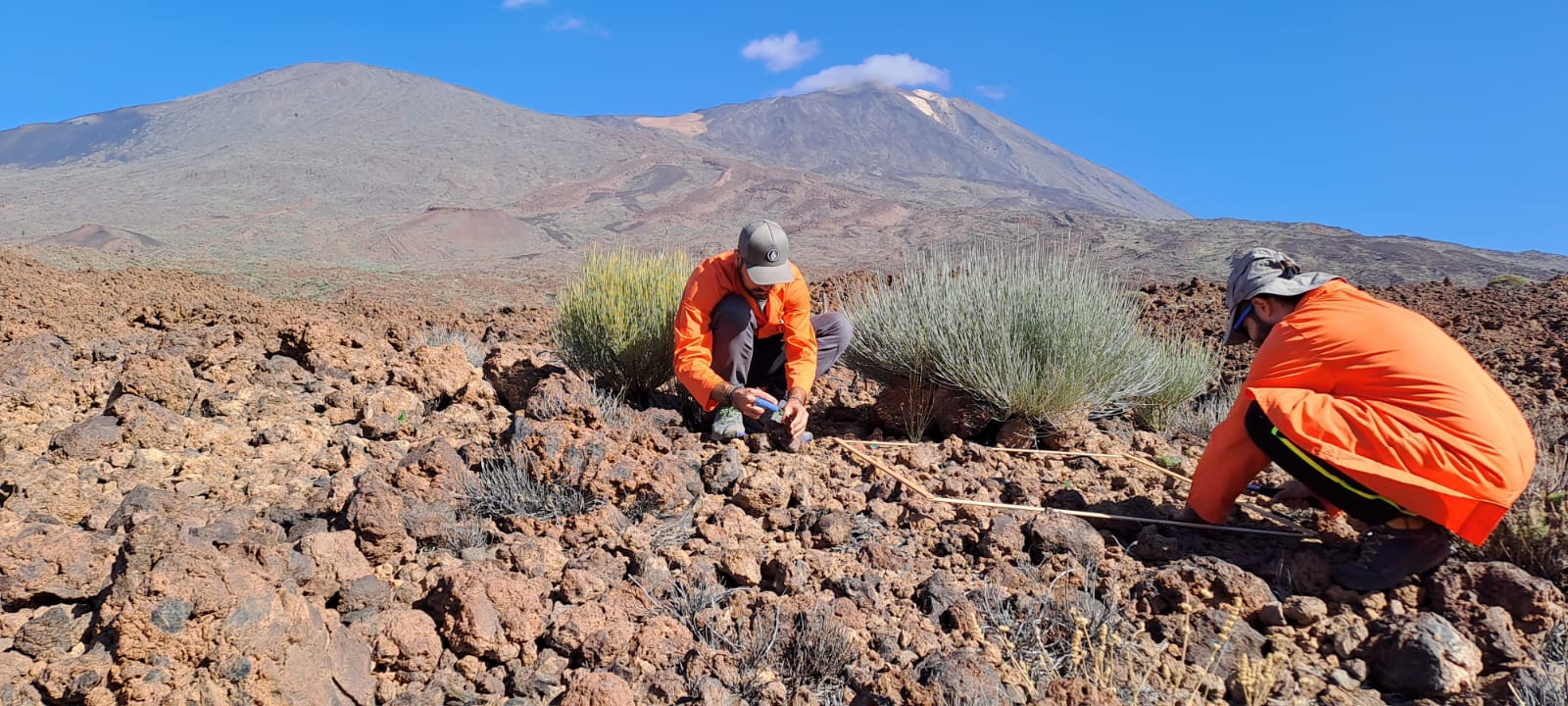
In June 2022, the Canarina Foundation will launch the MICROTEI project (determination of microplastics in Teide National Park) together with the Applied Analytical Chemistry (AChem) research group at the University of La Laguna. This project is the first to analyse the presence of microplastics in Teide National Park, a unique volcanic mountain environment in the world.
This area, which was declared a national park in 1954 and a UNESCO World Heritage Site in 2007, has exclusive geological and ecological values.
However, what at first glance appears to be an isolated and well-preserved ecosystem is in fact not safe from anthropogenic influences.
In addition to the direct contribution of tourism and human use in general (El Teide has been the most visited national park in Europe for years and has achieved mass tourism), this park could act as a potential sink for microplastic particles that are carried there by atmospheric phenomena and reach the ground through rain, wind and snow, due to its geographical location in the Atlantic Ocean and its altitude.
In this sense, recent studies in the Arctic, in the French Pyrenees and in various national parks in the USA have shown the high level of microplastic pollution in these protected areas, which are of great ecological value and relatively distant from the main industries and populations.
Surprisingly, the levels of microplastics (mainly polymers used in industry and textiles) measured in these areas are similar to those measured in urban areas.